In a 1994 report on the current state of emotional literacy in the U.S., author Daniel Goleman stated:
“…in navigating our lives, it is our fears and envies, our rages and depressions, our worries and anxieties that steer us day to day. Even the most
academically brilliant among us are vulnerable to being undone by unruly emotions. The price we pay for emotional literacy is in failed marriages and troubled families, in stunted social and work lives, in deteriorating physical health and mental anguish and, as a society, in tragedies such as killings…”
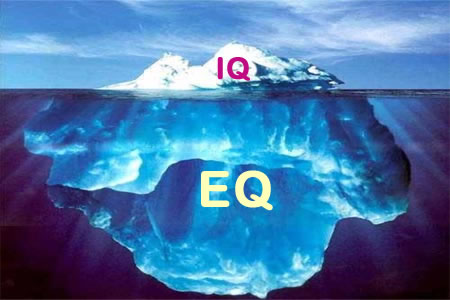
Goleman attests that the best remedy for battling our emotional shortcomings is preventive medicine. In other words, we need to place as much importance on teaching our children the essential skills of Emotional Intelligence as we do on more traditional measures like IQ and GPA.
Exactly what is Emotional Intelligence?? The term encompasses the following five characteristics and abilities:
- Self-awareness–knowing your emotions, recognizing feelings as they occur, and discriminating between them
- Mood management–handling feelings so they’re relevant to the current situation and you react appropriately
- Self-motivation–”gathering up” your feelings and directing yourself towards a goal, despite self-doubt, inertia, and impulsiveness
- Empathy–recognizing feelings in others and tuning into their verbal and nonverbal cues
- Managing relationships–handling interpersonal interaction, conflict resolution, and negotiations
Why Do We Need Emotional Intelligence?
Research in brain-based learning suggests that emotional health is fundamental to effective learning. According to a report from the National Center for Clinical Infant Programs, the most critical element for a student’s success in school is an understanding of how to learn. (Emotional Intelligence, p. 193.)
The key ingredients for this understanding are:
- Confidence
- Curiosity
- Intentionality
- Self-control
- Relatedness
- Capacity to communicate
- Ability to cooperate
These traits are all aspects of Emotional Intelligence. Basically, a student who learns to learn is much more apt to succeed. Emotional Intelligence has proven a better predictor of future success than traditional methods like the GPA, IQ, and standardized test scores.
Hence, the great interest in Emotional Intelligence on the part of corporations, universities, and schools nationwide. The idea of Emotional Intelligence has inspired research and curriculum development throughout these facilities. Researchers have concluded that people who manage their own feelings well and deal effectively with others are more likely to live content lives. Plus, happy people are more apt to retain information and do so more effectively than dissatisfied people.
Building one’s Emotional Intelligence has a lifelong impact. Many parents and educators, alarmed by increasing levels of conflict in young schoolchildren–from low self-esteem to early drug and alcohol use to depression, are rushing to teach students the skills necessary for Emotional Intelligence. And in corporations, the inclusion of Emotional Intelligence in training programs has helped employees cooperate better and motivate more, thereby increasing productivity and profits.
“Emotional Intelligence is a master aptitude, a capacity that profoundly affects all other abilities, either facilitating or interfering with them.”–Daniel Goleman,
Emotional Intelligence, p. 80.