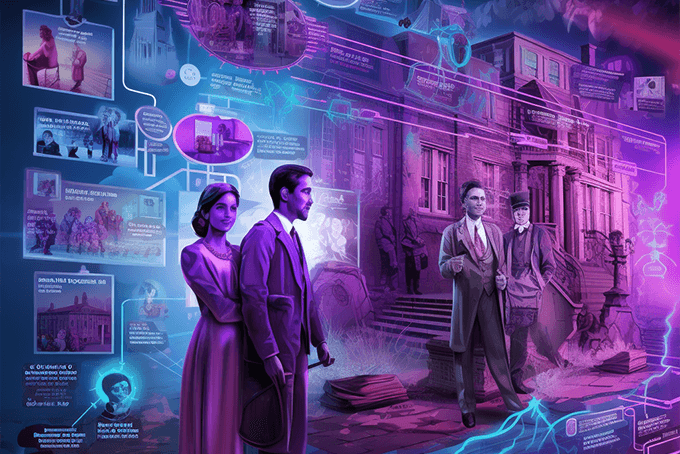
Our current education system dates back to the Industrial Revolution. At the time, our country needed to prepare its agricultural workers for factory jobs. So we built a school system that catered to the mass production mentality. This education system was efficient and measurable, and it churned out students who were ready to face the demands of our nation’s new economy.
In today’s age of instant information, the Industrial Revolution is a distant memory. So why is it that we still educate our students as if preparing them for a life of machine and assembly line work? Teaching by rote and following rigid academic agendas doesn’t cut it anymore. To say our scholastic curriculum is outmoded is putting it nicely.
Today’s children need to learn the skills that will help them in today’s job market and today’s society. They need to learn how to make decisions on their own, work well with others, and sift through vast amounts of information. And it’s time our schools rise to the occasion and fill this need.
Want More Information?
To further explore the history of our current educational system, take a look at the following websites:
In Emile or on Education, a classic book on education reform, Jean Jacques Rousseau argues for a return to a more natural education.
John Dewey is perhaps the most influential American educator of the 20th century. Be sure to explore these additional web pages on Dewey.
For a comprehensive overview of the history of education, visit this post.